Banana Disease Classification
A portable, Raspberry-Pi-based device that classifies four common banana plant diseases from leaf images using a MobileNetV2 model — built for farmers and field researchers who need diagnosis on the spot.
Overview
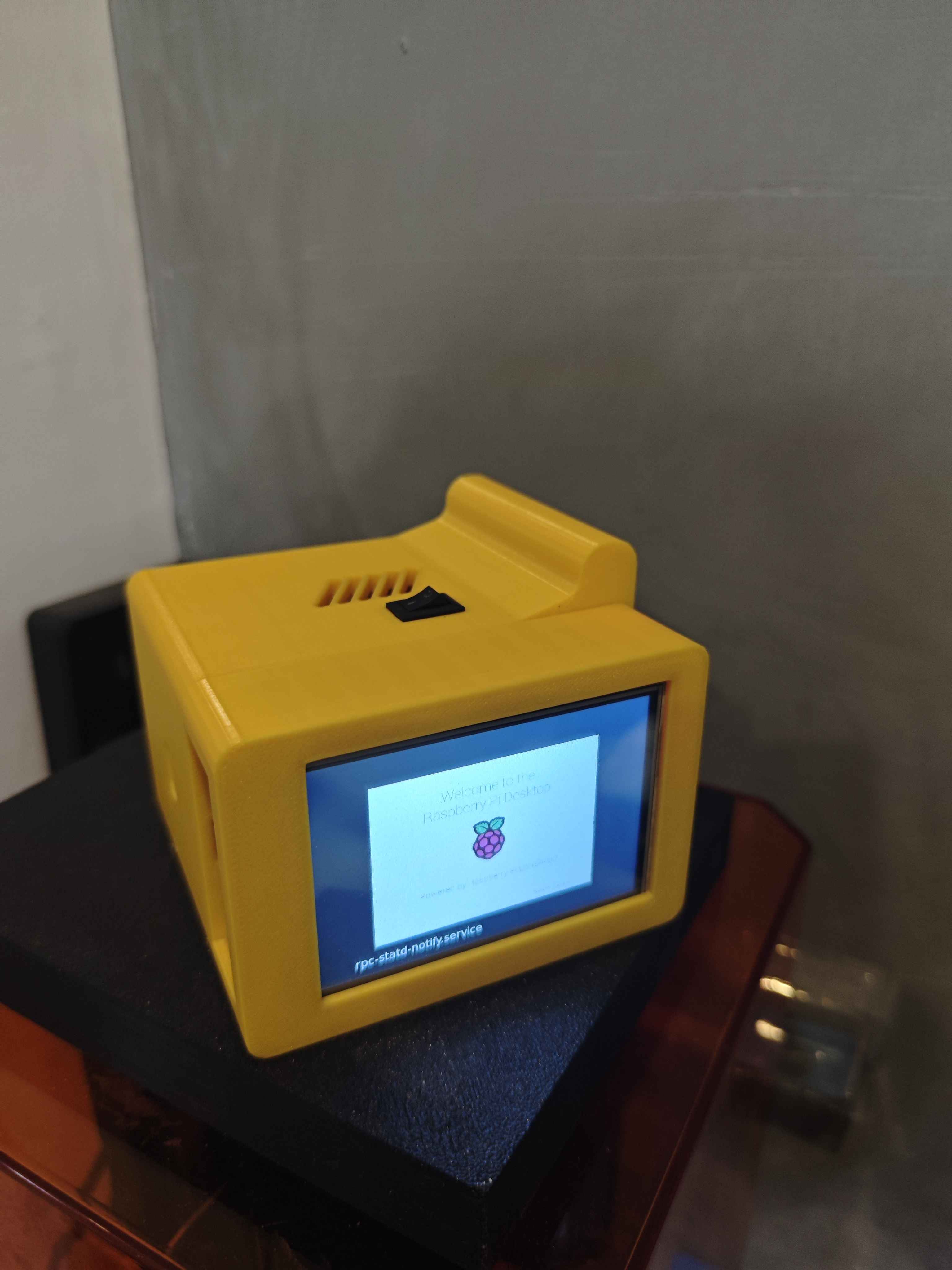
BananaScan is a field-ready diagnostic tool that puts a banana leaf disease classifier in farmers' hands without needing a phone, app, or internet connection. A trained MobileNetV2 model runs entirely on a Raspberry Pi 4 inside a custom-designed enclosure, with a Raspberry Pi Camera V2 for image capture and a PyQt desktop GUI for results.
The Problem
Sigatoka, Bacterial Wilt, Bunchy Top, and Panama Disease can wipe out a banana plantation if they're caught late. But early diagnosis usually requires sending samples to a lab or scheduling a visit from an agricultural specialist — neither is realistic for smallholder farmers in remote provinces. By the time confirmation arrives, the infection has spread.
What We Built
A self-contained, embedded ML appliance. The user points the Raspberry Pi Camera V2 at a leaf, the on-device MobileNetV2 model classifies the image in real time, and the PyQt interface displays which of the four target diseases it matches (or flags the leaf as healthy). Everything runs locally — no cloud round-trip, no data plan, no privacy concerns about uploading farm imagery.
Diseases Detected
- Sigatoka — black/yellow leaf spot fungal infection
- Bacterial Wilt — bacterial disease that collapses pseudostems
- Bunchy Top — viral disease causing stunted, bunched leaves
- Panama Disease — soil-borne fungal wilt (incl. TR4)
Key technical choices
- MobileNetV2 over heavier CNNs — quantization-friendly, small enough to run on Pi 4 with sub-second inference, accurate enough for the four-class problem after transfer learning on banana leaf datasets.
- PyQt desktop GUI — keeps the interface entirely offline and instantly responsive; no web stack overhead on the Pi.
- Custom enclosure designed in Blender — ergonomic, dust-resistant case that holds the Pi, camera, and battery for handheld field use.
- Local-first architecture — no internet dependency, ideal for plantations far from connectivity.